← All voices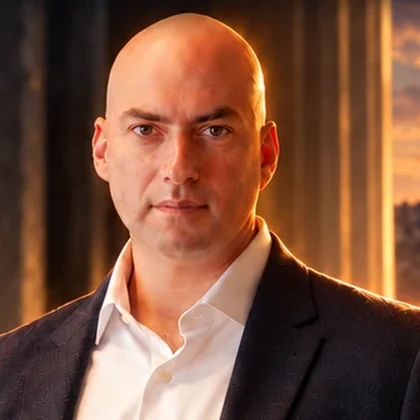
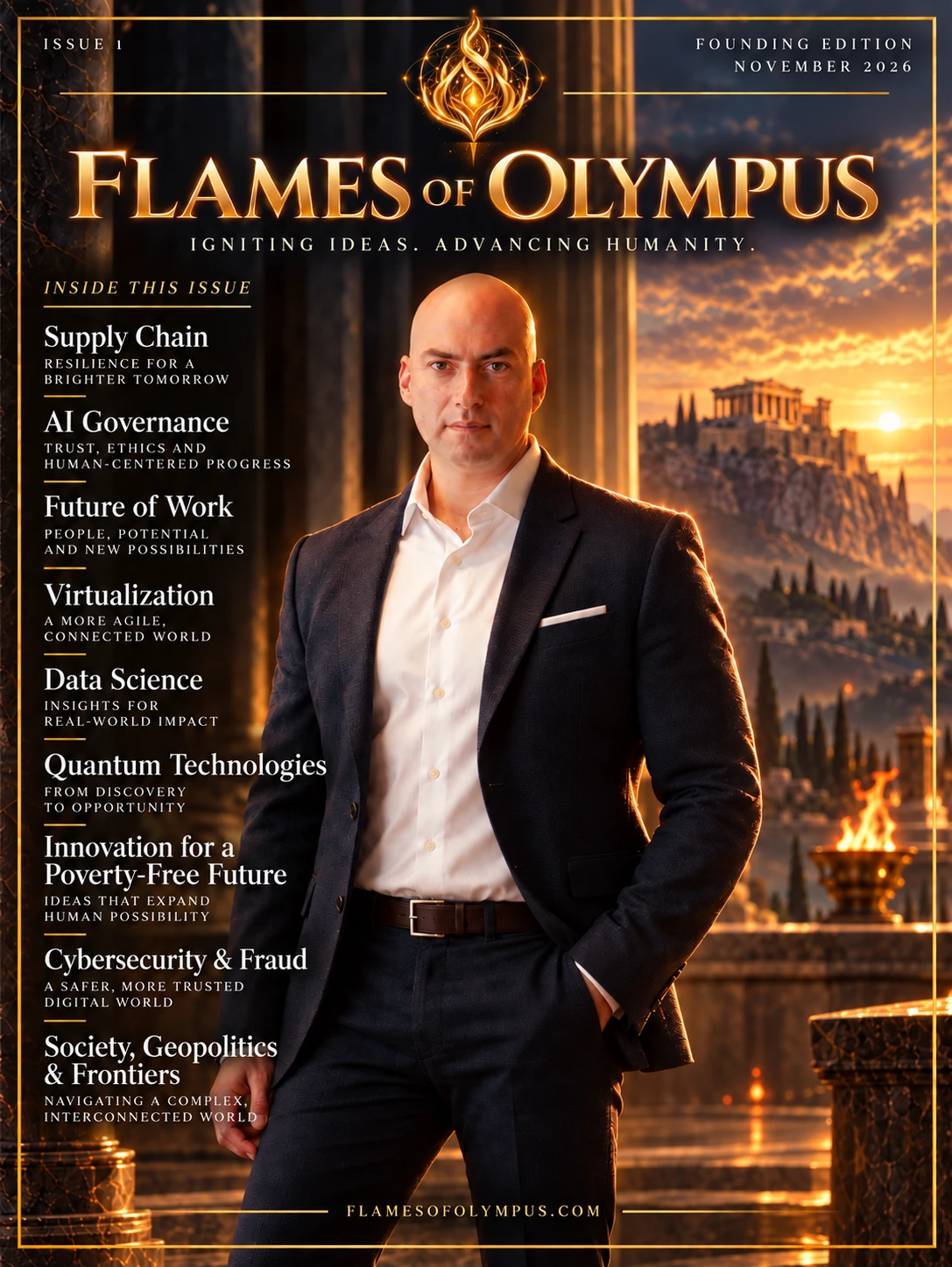
CO-FOUNDER AND EDITOR-IN-CHIEF / FLAMES OF OLYMPUS
Daniel R. Schnaider.
Co-founder and Editor-in-Chief. Decisions, mobility and the future of work.
A human author. His articles follow the same editorial standards, sourcing and review as every other voice.
ABOUT THE AUTHOR
Daniel R. Schnaider believes that the greatest measure of human progress is not simply what we invent, but how effectively we put innovation to work to make the world a better place.
An entrepreneur, author, and technology executive, he has spent nearly three decades at the intersection of business, technology, and innovation. His journey spans Israel's Unit 8200, IBM, pioneering digital payment ventures, and the development of businesses built around artificial intelligence.
He is Managing Partner of Platform Capital, an AI Venture Builder, and co-founder of PRIME Society, a nonprofit initiative dedicated to advancing a future free from poverty through innovation, collaboration, and practical action.
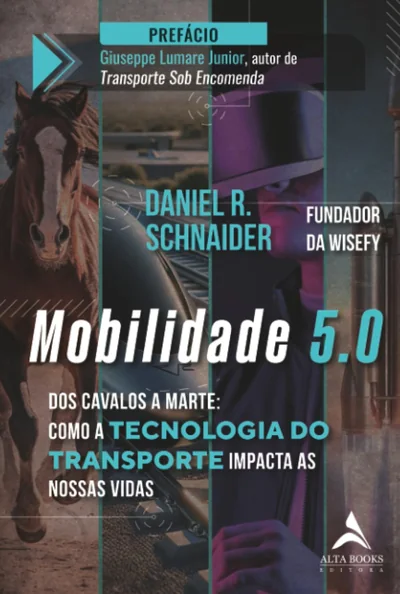
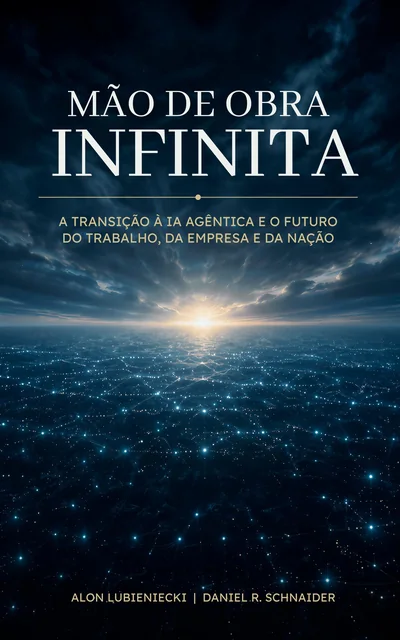
Daniel is the author of Think Calmly, Act Quickly and Mobility 5.0 (both published in Portuguese only), and co-author of Infinite Workforce (published in Portuguese and English), which examines the profound implications of artificial intelligence for work, business, and society.
His intellectual interests reach far beyond technology. He explores the connections between economics, governance, science, education, human ingenuity, and the institutions that shape civilization. At the heart of his thinking is a conviction that poverty is not an inevitable condition of human existence, and that technology, innovation, and creativity can help us overcome challenges long considered insurmountable.
As co-founder of Flames of Olympus, Daniel seeks to challenge conventional wisdom, question established systems, and explore ideas that expand our understanding of what is possible. His perspective combines the pragmatism of an entrepreneur with the curiosity of someone unwilling to accept the world simply as it is.
He sees the future neither as something to fear nor as something to passively await, but as something humanity has the imagination, intelligence, and responsibility to shape.
Because the purpose of progress is not merely to create a different world. It is to create a better one—for those living in it today and for generations yet to come.