


The Rational Bubble
Super Intelligence will deliver everything promised. The $800 billion prisoner’s dilemma decides who gets paid.
Super Intelligence will deliver everything promised. The $800 billion prisoner’s dilemma decides who gets paid.

Markets coordinate strangers with prices. Inside a company, and between a company and its suppliers, that signal goes quiet, and sensible decisions start to collide. Superintelligence earns its place by pricing consequences, not by commanding from a tower.

Stock held against disruption is paid for in cash, the resource a disrupted business needs most. The better arrangements, in companies and in national oil reserves, put a price on the right to supply and bill it to those who use the cover.
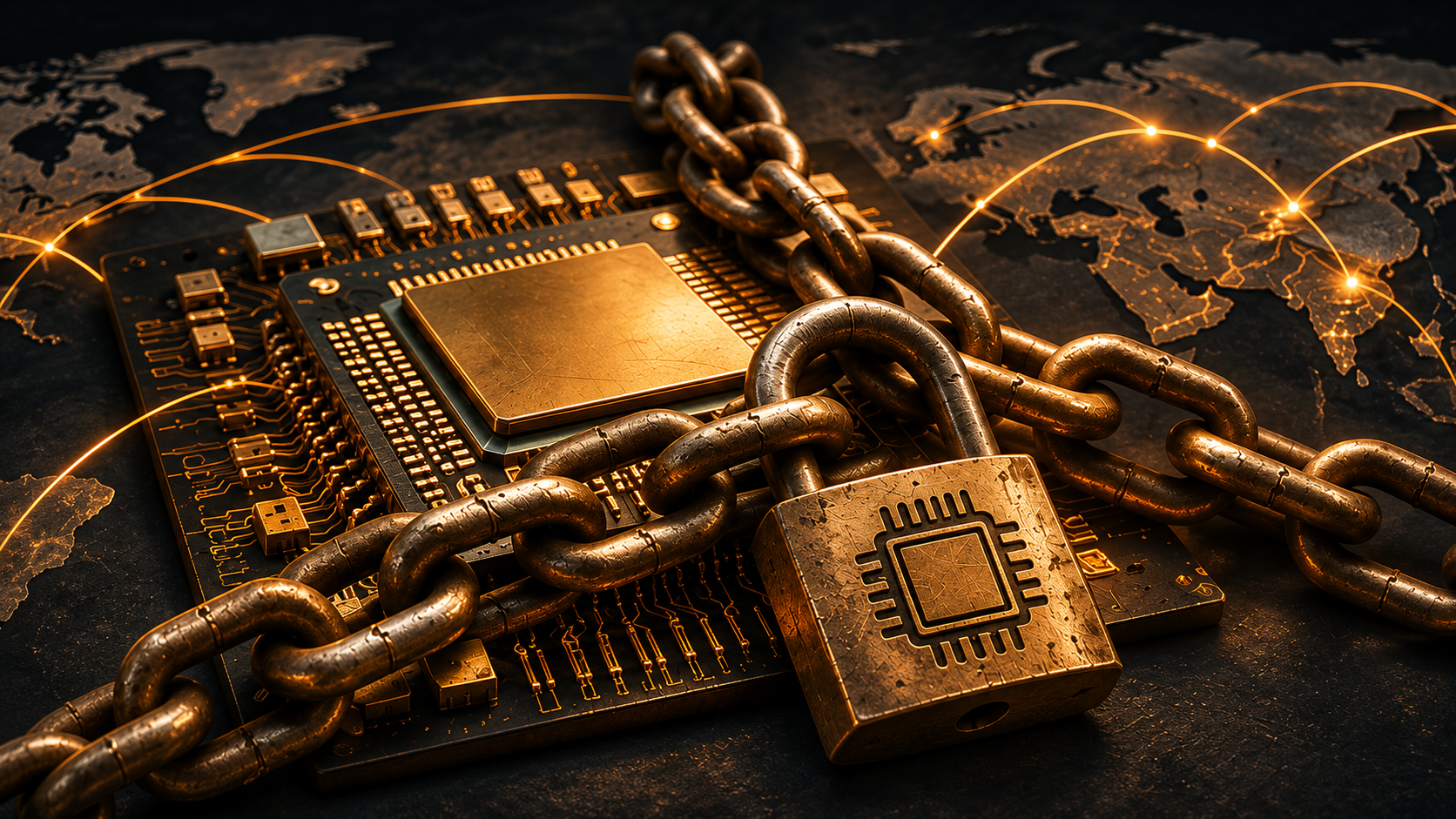
A chip has a shipping address, while computing capacity has users, lenders and landlords. The cases that have reached court turned on false paperwork and false end-user statements, and this essay argues that contracts between private parties carry much of the control.

Someone at every dinner table says poverty is permanent. The record of the last two generations is the best answer anyone has ever had. It is not the answer the optimists usually give.

In December 1959, twelve nations agreed to govern a continent none of them owned, and the agreement has held for sixty-seven years. The next frontiers are being carved up without it. The Antarctic Treaty is worth rereading as a manual.
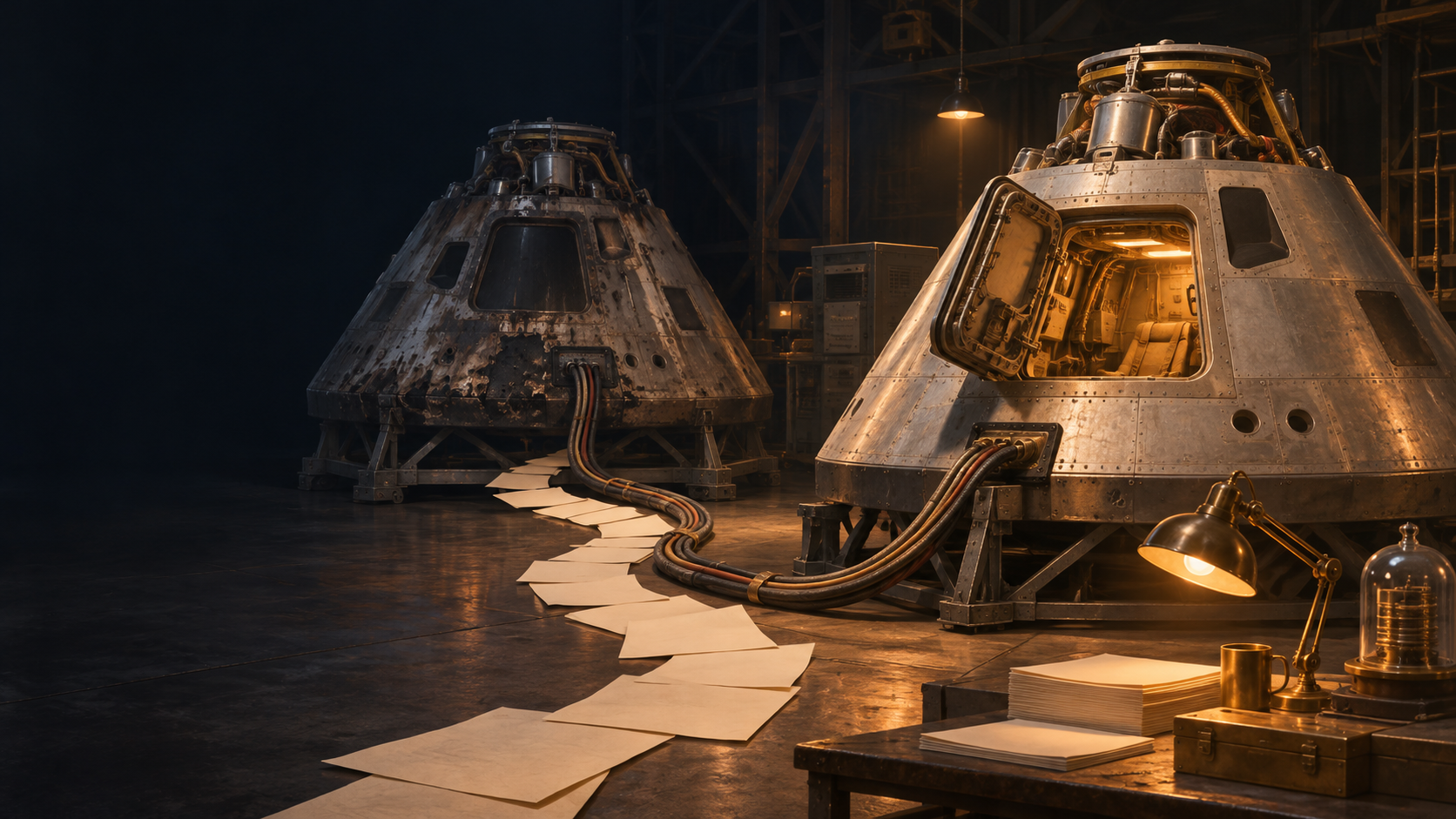
In April 1970, three men were dying slowly in a spacecraft 200,000 miles from Earth, and the thing that brought them home was a replica on the ground. The idea has a name now. It also has a weakness the Apollo engineers understood better than we do.

On 1 August 2012 a trading firm lost about $440 million in 45 minutes. No one chose to. That is the governance problem with autonomous systems, and it has a shape.

For three centuries, "computer" was a person. The word moved to the machine and the people stayed. What that tells us about the titles being handed out now.

In February 2016, thieves inside the central bank of Bangladesh sent instructions to move nearly a billion dollars. Most of it never left, because of a misspelt word and a bank employee who was paying attention.

Quantum computers are real, they work, and almost everything said about them in public is wrong in the same direction. A patient account of what has been built, what has not, and why the one thing that matters now is a decision about locks.

A worked example in arithmetic you can do on a napkin, and a story from 1943 about the bombers that came back. Both explain why the first question to ask of any prediction is not "how good is the model" but "how rare is the thing".

Data, forecasts, and planning meetings are not enough. Decision intelligence means comparing alternatives, anticipating consequences, and learning from outcomes.